Best Fujifilm Recipes for Street Photography
The film simulation recipes that work best on the street: muted Classic Chrome, punchy Classic Negative and timeless Acros black and white, plus the cameras and tips to shoot them.
Street photography is where Fujifilm cameras feel most at home. They are small, quiet and quick, and the X100 series in particular has become the camera a whole generation learned street on. The other half of the magic is the film simulation recipe: a saved look that lets you shoot all day and come home with finished frames, no editing, so you can stay in the moment instead of in Lightroom. Here are the looks and recipes that work best on the street.
There is no single “street” recipe. Three families cover almost everything: muted documentary color, punchy everyday film, and black and white. Pick one that matches how you see, load it, and go.
What makes a good street recipe
Street light is unpredictable: harsh sun, deep shade, mixed shop windows, grey afternoons. So a street recipe should be forgiving rather than extreme. The looks that hold up share a few things: colour that is controlled rather than loud, enough dynamic range to protect highlights, and contrast that keeps the frame punchy without crushing the shadows where the story often hides. The three families below all do this in their own way.
Classic Chrome: the documentary street look
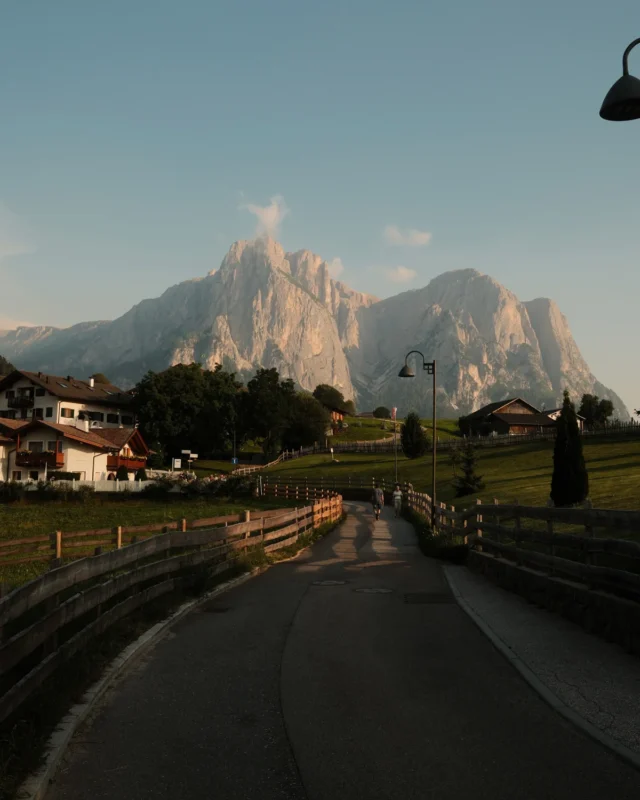
If street photography had a default, it would be Classic Chrome. It pulls colour back and softens contrast, giving that restrained, reportage feel that suits busy scenes and flat light. It almost never looks garish, which is why so many street shooters leave it on for months.
Start with Summer Made, 3001 or Reggie’s Portra.
See all Classic Chrome recipes
Classic Negative: punchy everyday film
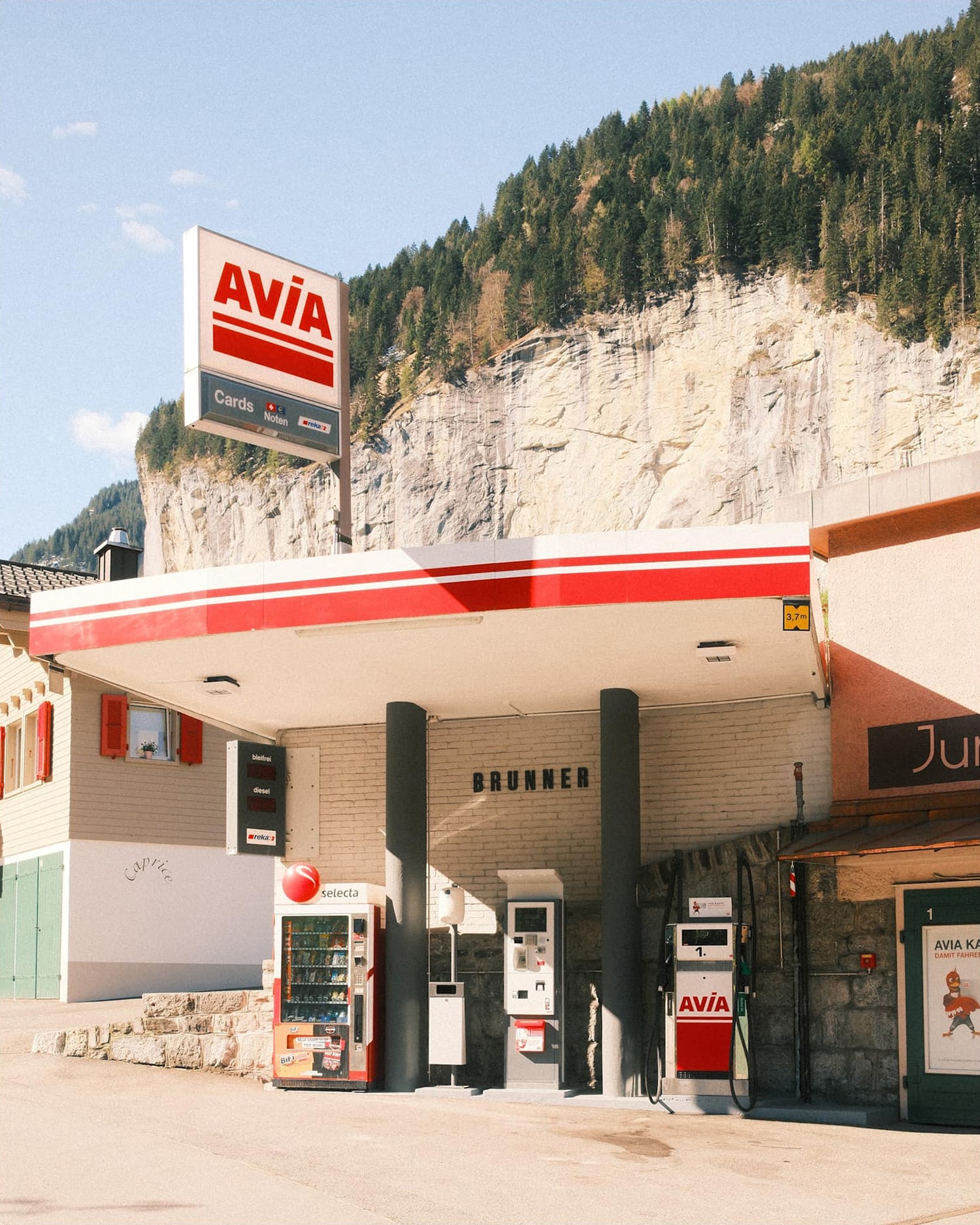
When there is good light and real colour on the street, Classic Negative turns an ordinary afternoon into something that looks like it came off a roll of consumer film: cooler, teal-leaning shadows, warm highlights and plenty of character. It is the look that makes a petrol station or a shop front feel like a photograph.
Try Classic Cuban Neg, Classic Continental or Cinematic Gold. New to the difference between these two looks? Read Classic Negative vs Classic Chrome.
See all Classic Negative recipes
Black and white: Acros for the street
Nothing ages less than black and white, and Fujifilm’s Acros is one of the finest monochrome simulations in any camera. Stripping colour out removes the clutter of the street and leaves light, shape and gesture, which is exactly what street photography is about. It also saves you in ugly mixed light, where colour would fight you.
Load Hy Contrast Bnw, Acros 100 Pro or YinYang.
The best Fujifilm cameras for street
Any X-Series body shoots great street, but the X100VI and X100V are the classics: fixed 35mm equivalent lens, leaf shutter, pocketable, and discreet. Every recipe here is tied to the bodies it was made for, so open any camera on the cameras page to see only the looks that work on yours.
Five tips for shooting street with a recipe
- Shoot JPEG, or RAW and JPEG. The recipe lives in the JPEG. RAW only hides the look.
- Load two slots, not seven. One colour, one black and white (say Classic Chrome and Acros). Switch with the Q button, don’t fiddle.
- Lean on Dynamic Range. DR400 in bright sun protects highlights so blown skies and shop signs keep detail.
- Set it and forget it. The whole point of a recipe is to stop thinking about settings and start seeing.
- Send it from your phone. Use the Filmsim app to write a recipe to a custom slot over USB in seconds.
The best street recipe is the one you stop thinking about. Load it, pick your slot, and spend the day looking instead of adjusting.
The rule of thumb
Where to start
If you only try one, make it Classic Chrome for colour or Acros for black and white. Load it, send it to your camera, and go shoot. When you want to understand what the settings actually do, read How Fujifilm recipes work, then browse everything by look on the film simulations page.