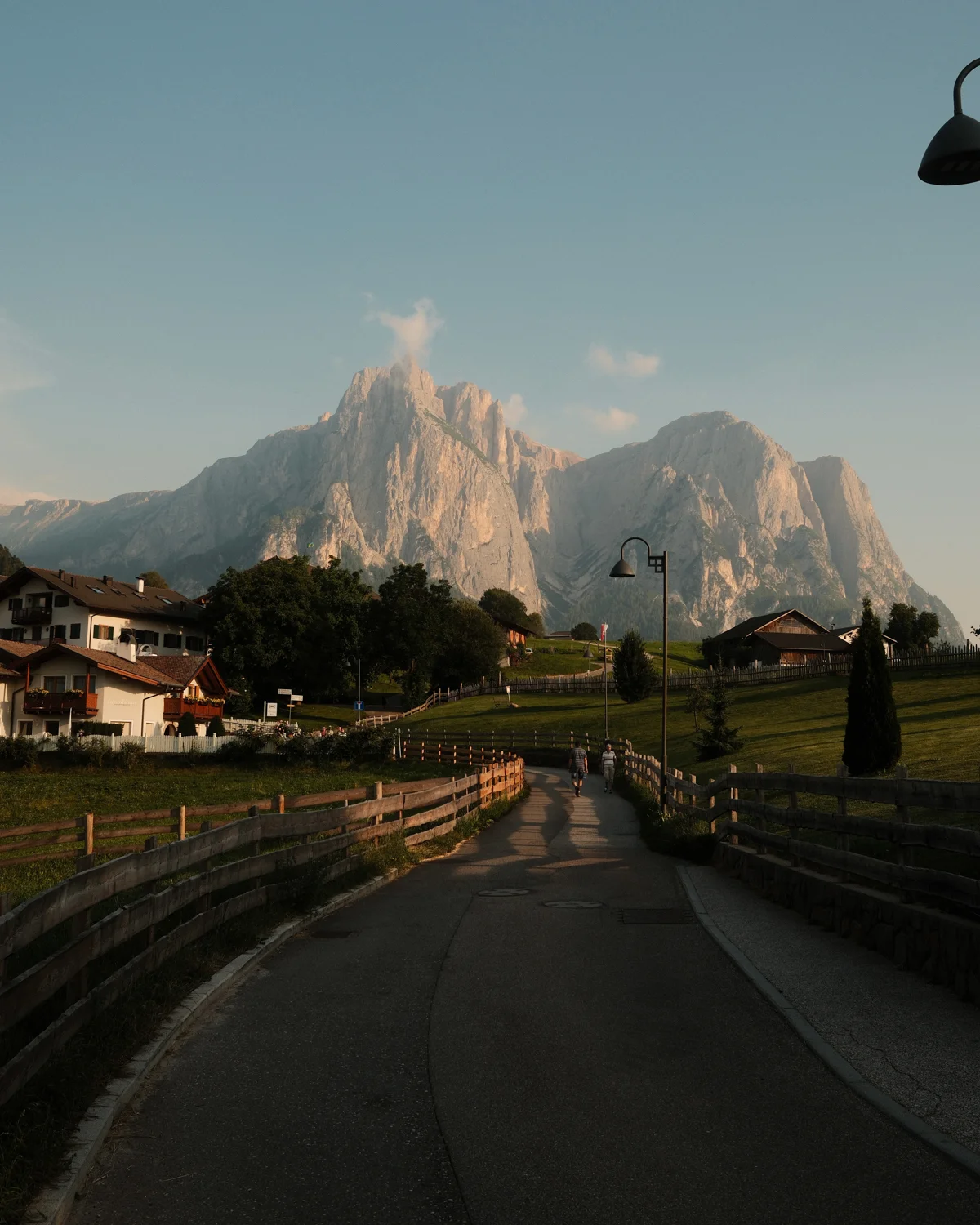
Classic Negative vs Classic Chrome
Two of Fujifilm's most loved film simulations, side by side. What makes each one, when to reach for which, and the best recipes for both.
Ask a room full of Fujifilm shooters which film simulation they live on, and two names come up more than any other: Classic Chrome and Classic Negative. They are the backbone of most recipes you will find here, and they are easy to confuse because both lean “filmic” rather than punchy-digital. But they are after very different things. This is a plain guide to what each one does, when to reach for which, and the recipes worth starting with.
The short version: Classic Chrome is the quiet, muted, documentary look. Classic Negative is the punchy, color-separated, negative-film look. Once you have shot both, you will feel the difference instantly.
Classic Chrome: the muted documentary look
Classic Chrome arrived in 2014 and was inspired by the understated color of old reportage and magazine slide film. It pulls saturation back, softens contrast a touch, and cools the overall cast. Skies go muted, reds stop shouting, and the whole frame takes on a restrained, editorial feel.
It is the look people reach for when they want their photos to feel calm and observed rather than loud. Overcast light, city streets, quiet interiors and moody scenes all suit it. Because it holds back on color, it almost never looks garish, which is why so many street and documentary shooters leave it on permanently.
Classic Negative: punchy film-negative color
Classic Negative came later, in 2019, and is modelled on Fujifilm’s own Superia consumer color negative film. Where Classic Chrome mutes, Classic Negative separates. It keeps color rich but shifts it: cooler, teal-leaning shadows against warm highlights, with more tonal “pop” and micro-contrast. It is the look that makes an ordinary afternoon shot feel like it came off a roll of drugstore film.
It rewards good light. Sunny days, travel, family, markets and everyday color scenes come alive with it. If Classic Chrome is restraint, Classic Negative is character.
Side by side
- Color: Classic Chrome is desaturated and neutral-to-cool. Classic Negative is saturated but color-shifted (teal shadows, warm highs).
- Contrast: Classic Chrome is softer and flatter. Classic Negative has more pop and separation.
- Mood: Classic Chrome feels documentary and quiet. Classic Negative feels nostalgic and lively.
- Best for: Classic Chrome shines in overcast, street and moody scenes. Classic Negative shines in sun, travel and everyday color.
- Cameras: Classic Chrome is on far more bodies (X-Trans III and newer, from 2016). Classic Negative only exists on X-Trans IV and newer (from the X-Pro3, 2019).
When to use which
Reach for Classic Chrome when the light is flat or grey, when the scene is busy and you want color to calm down, or when you are going for a serious, reportage mood. It is the safer, more forgiving of the two.
Reach for Classic Negative when there is good light and real color to play with, and you want the image to have a distinctive film character straight out of camera. In harsh midday sun it can get contrasty, so many recipes pair it with a wider dynamic range setting to protect the highlights.
A note on cameras
This is the one practical thing that decides it for a lot of people: if your camera is older than the X-Pro3 (2019), you have Classic Chrome but not Classic Negative. Both looks are tied to the sensor generation, so a recipe built for one simulation needs a body that actually has it. If you are not sure what your camera supports, check it on the cameras page, where every body lists the recipes that work on it.
The best recipes for each
The fastest way to feel the difference is to load one of each and shoot the same scene twice. These are the most saved recipes in both looks right now.
Classic Negative favourites include Classic Cuban Neg, Classic Continental and Cinematic Gold.
See all Classic Negative recipes
Classic Chrome favourites include Summer Made, Reggie’s Portra and 3001.
See all Classic Chrome recipes
Classic Chrome is what you shoot when you want the moment to speak quietly. Classic Negative is what you shoot when you want the color to sing.
The quick way to remember it
So, which one?
There is no winner. Most Fujifilm shooters keep both in their custom slots and switch by the light: Classic Chrome for the grey and the busy, Classic Negative for the sun and the color. Load a recipe for each, send them to your camera with the Filmsim app, and let the day decide.